
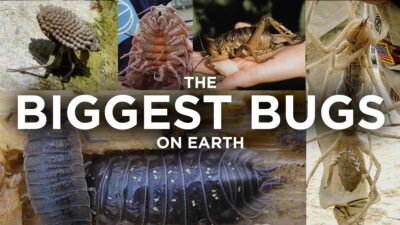
Do you get the chills or skivvies easily? Bugs tend to freak most of us out. If it crawls, bites, buzzes or sucks blood, then we usually squirm, swat and run. But what’s worse than a little bug crawling on your neck? How about a really, really, really big one? You’ve been warned! Here are some pictures of the biggest bugs in the world.
Giant Long-Legged Katydids
If you’re ever walking around the tropical slopes of Malaysia at night and think the leaves are moving, you might be right. Giant katydids are leaf-like bugs that stay motionless during the day to avoid predators, but at night they are very gentle. Male Giant Long-Legged Katydids are known for their high pitched mating call.
Belostomatidae – Giant Water Bugs
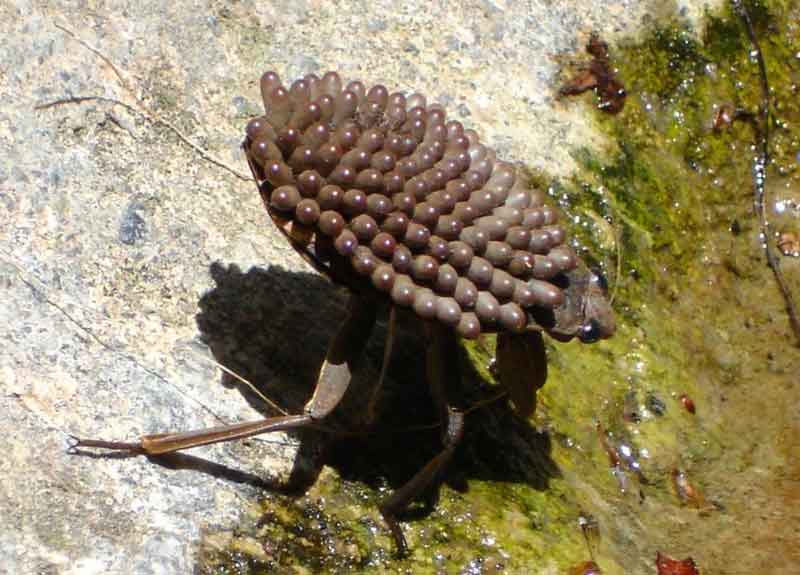
Belostomatidae is a family of insects better known as “giant water bugs” or “toe-biters.” Most species in the Belostomatidae family are relatively large (2 cm or more) with some of the largest, such as Lethocerus, exceeding 12 cm, and nearly reaching the dimensions (length and mass) of some of the larger beetles in the world.
All bugs in the Belostomatidae family are fierce predators which stalk, capture and feed on aquatic crustaceans, fish and amphibians. They often lie motionless at the bottom of a body of water, attached to various objects, where they wait for prey to come near. They then strike, injecting powerful digestive saliva and suck out the liquefied remains. Yum!
Their bite is considered one of the most painful that can be inflicted by any insect. The saliva liquefies muscle tissue. In rare instances, their bite can do permanent damage to humans. So don’t get drunk and pass out with your face near one of these guys.
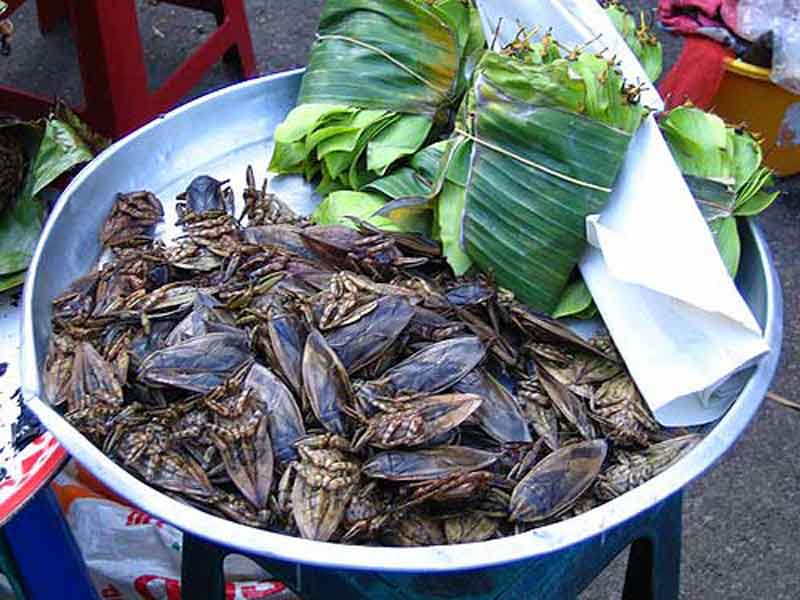
Occasionally when encountered by a larger predator, such as a human, they have been known to “play dead” and emit a fluid from their anus to make them look less appetizing. Guess their anus fluid trick doesn’t always work. Giant water bugs are actually a popular menu item in Thailand.
Goliath Birdeater
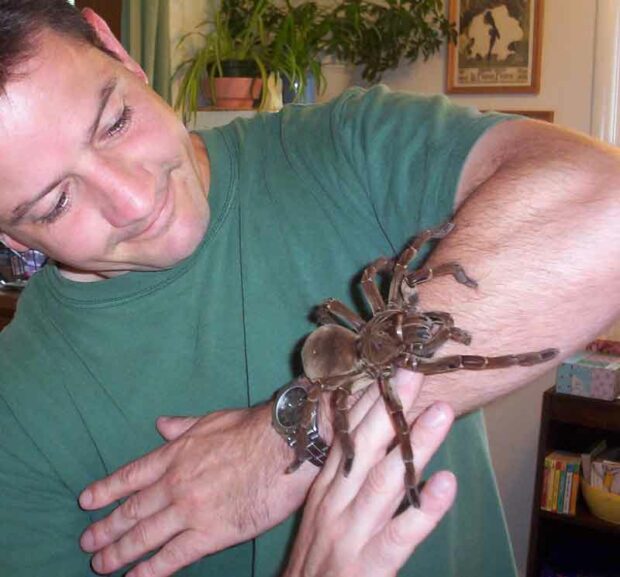
These giant spiders from the rainforests of South America are heaviest spiders on Earth. No other spider can match the Goliath Birdeater‘s mass and size. This large type of tarantula is poorly named. The Goliath Birdeater has only rarely been observed eating birds.
Female Goliath Birdeaters have an average lifespan of 15 to 25 years, however, males only typically live 3-6 years. But their shorter lifespan isn’t due to an after-sex snack. Unlike other species of spiders, females do not eat the males after mating.
Atlas Moth (Attacus Atlas)
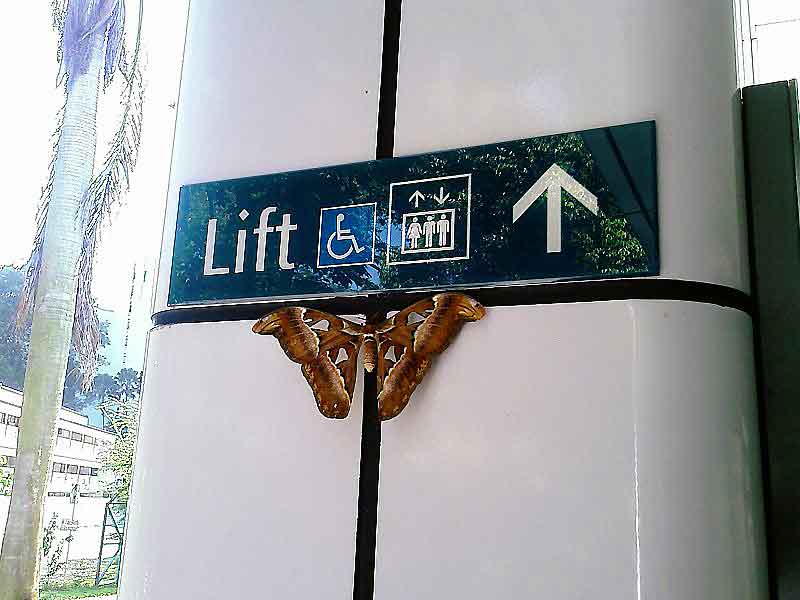
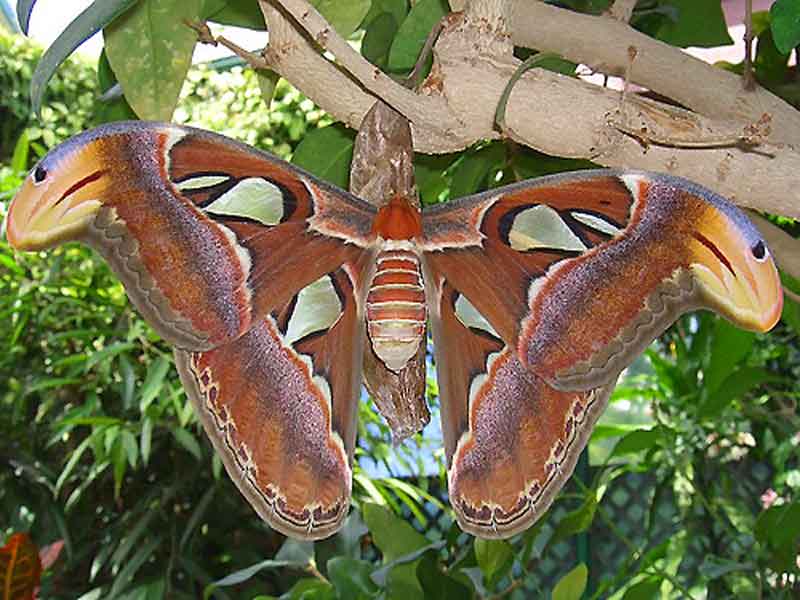
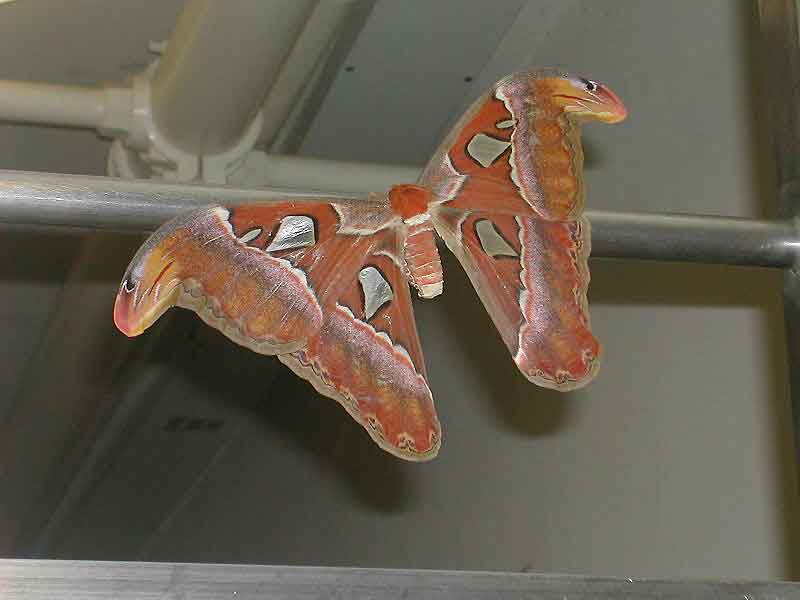
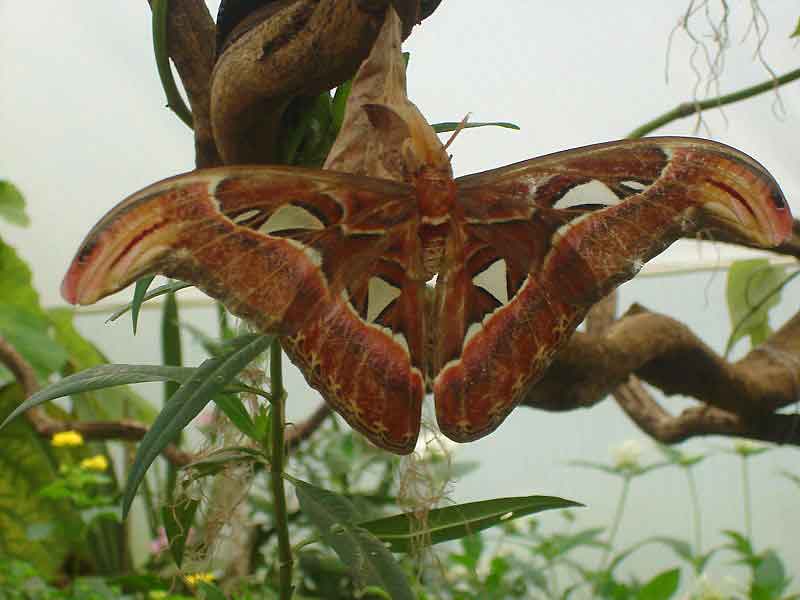
If you’ve ever seen a moth the size of a bird before, then it was probably an Atlas Moth. Typically found in the tropical and subtropical forests of Southeast Asia, Atlas moths are one of the largest moths in the world. Their wingspan can measure up to a foot long, but that giant wingspan isn’t very easy to control. Atlas Moths are unsteady fliers and the female does not stray far from the location of her discarded chrysalis.
It’s not exactly known how the Atlas Moth got its name. It was either named after the Titan of Greek mythology or their map-like wing patterns.
Giant Camel Spider
When American soldiers aren’t worrying about insurgents and IEDs, they have to keep an eye out for Giant Camel Spiders. Iraq’s Giant Camel Spiders have even been found hiding in sleeping bags.
Camel Spider Size
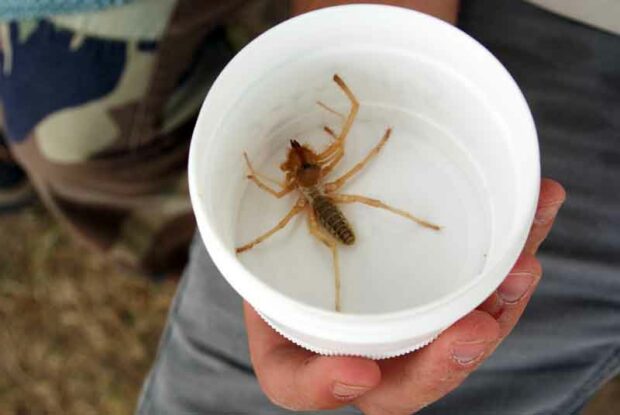
Although most Camel Spiders are about the size of a credit card, they have been known to grow larger than 10 inches, especially in the deserts of the Middle East.
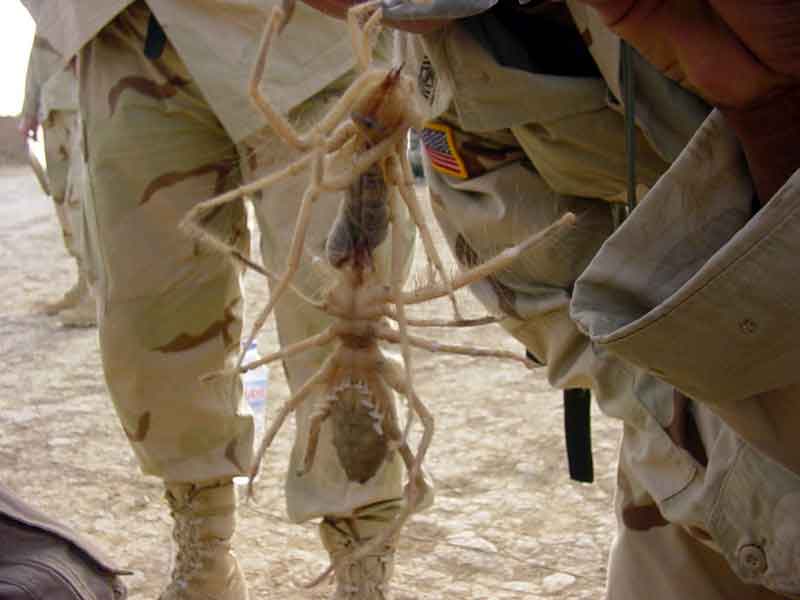
The above photo was taken in the desert area outside of Baghdad. The two Camel Spiders were in a fight to the death. The spider on the bottom has his fangs locked on the torso of the spider above.
Camel Spider Bites
Fortunately, the giant desert Camel Spiders native to Iraq aren’t venomous. However, giant Camel Spider bites are especially nasty. This U.S. soldier stationed outside of Kuwait was bitten by a Camel Spider in his sleep. The infected wound was so bad doctors couldn’t stitch it up. They had to leave it open to drain and heal from the inside out. The bitten soldier now has a scar the size of a penny on his elbow.

Camel Spiders In North America
Camel Spiders aren’t just in the Middle East. They can also be found in parts of North America. It’s not uncommon to fina a Camel Spider in Arizona, New Mexico, California, or in Mexico. The Mexican’s call Camel Spiders matevenados, which translates to “deer killers” in English.
Giant Stick Bugs
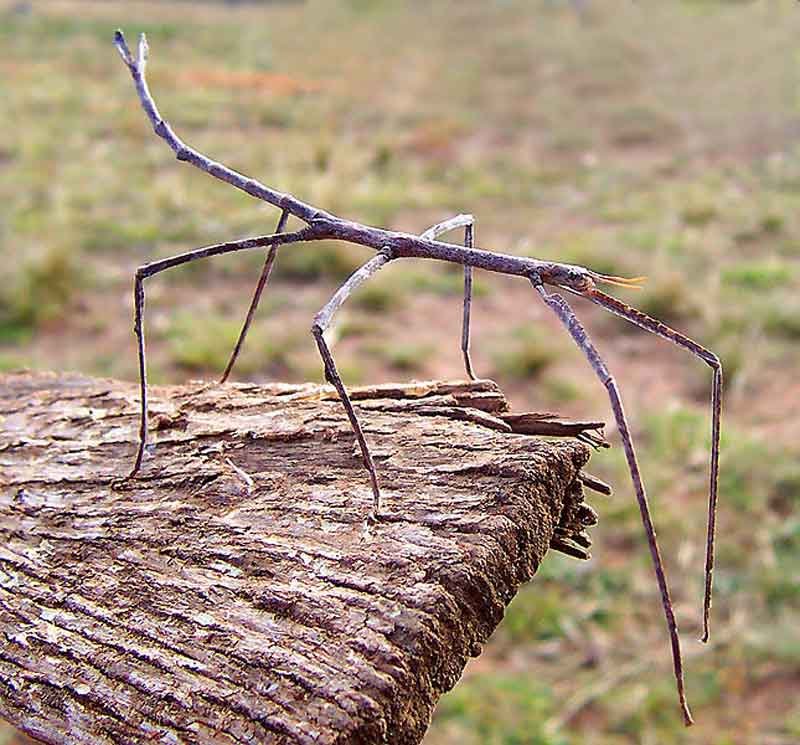
Although they are the biggest insect in the world, giant stick bugs are definitely the longest. In one of the most clever instances of natural camouflage, stick bugs have evolved to look like sticks to help hide from predators.
There are several varieties of stick like bugs. The giant walking stick from Southeast Asia is the longest variety, growing to as long as about 2 feet in length. Some species can produce a pungent-smelling defensive spray, but these bugs are mostly harmless and are often kept as pets.
Stick Bugs As Pets
In case you are wondering, are stink bugs harmful? No, not at all. They don’t bite or sting. Actually most “stick insects” are easy to care for, and believe it or not make good tropical pets. In some areas of the world, it’s common for children to have stick bugs as pets.

Most stick bugs reproduce very easily. For example, Indian stick bugs are all female and reproduce by themselves (parthenogenesis) with males. Occasionally part-male part-female individuals are reared in captivity, but never true males. The stick insects molt and may eat their own shed skin. Yum! By the 6th molt, Indian stick bugs will lay eggs.
Queen Alexandra’s Birdwing

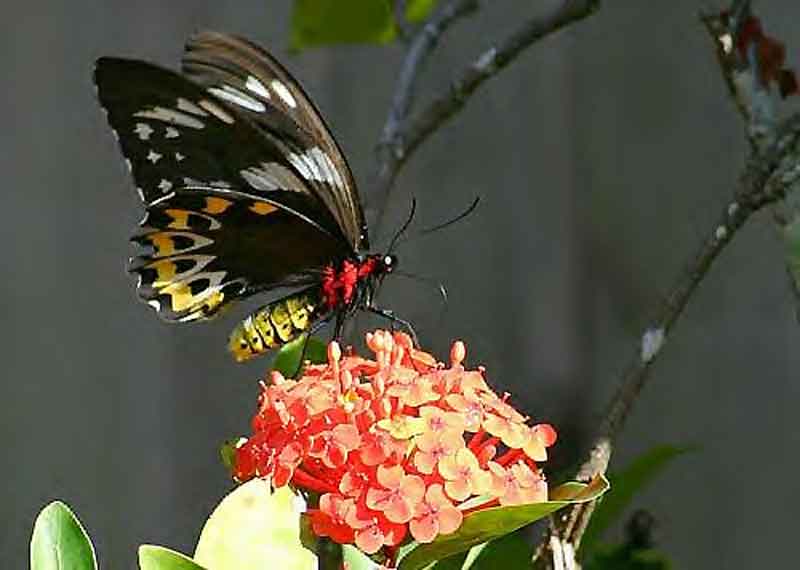
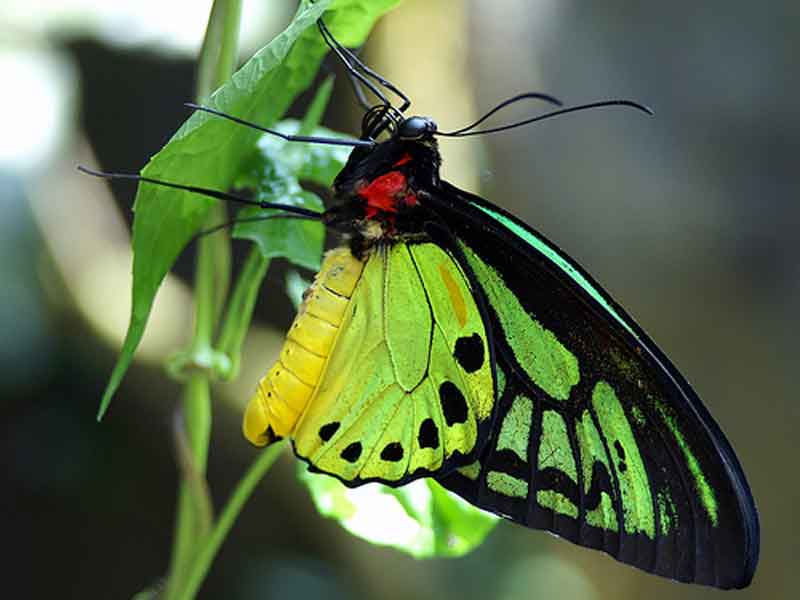
Queen Alexandra’s Birdwing (Ornithoptera alexandrae) is the largest butterfly in the world. The species was named by Lord Walter Rothschild in 1907, in honor of Queen Alexandra, wife of King Edward VII of the United Kingdom.
Female Birdwings can reach a wingspan of about 14 inches, a body length of 3-4 inches and a body mass of up to 1/2 ounce. These are all enormous measurements for a butterfly and actually much more common for small birds.
Birdwings primarily live in the forests of Oro Province in eastern Papua New Guinea. Queen Alexandra’s Birdwing is considered endangered by the IUCN.
Giant Weta
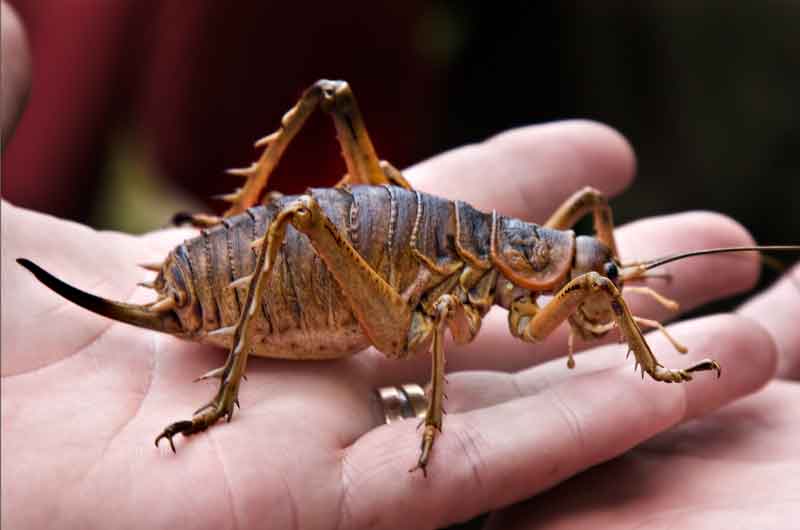
If you ever get a chance to visit the small islands around New Zealand, then keep your eyes open for the Giant Weta. These enormous cricket-like bugs are one of the heaviest bugs in the world. Giant Wetas can weigh as much as 70 grams, can’t even jump because they are so heavy.
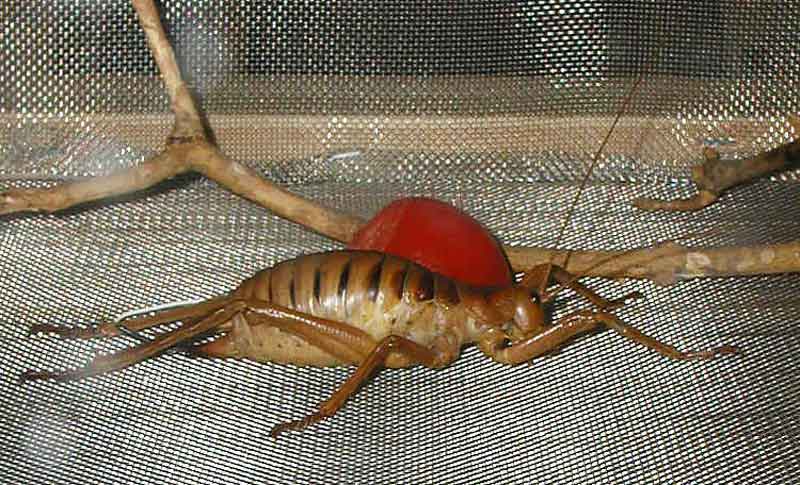
The Giant Weta is a gentle insect but will fight back when provoked. Case in point, here’s a video of a Giant Weta fighting a Giant Camel Spider.
Giant Isopod
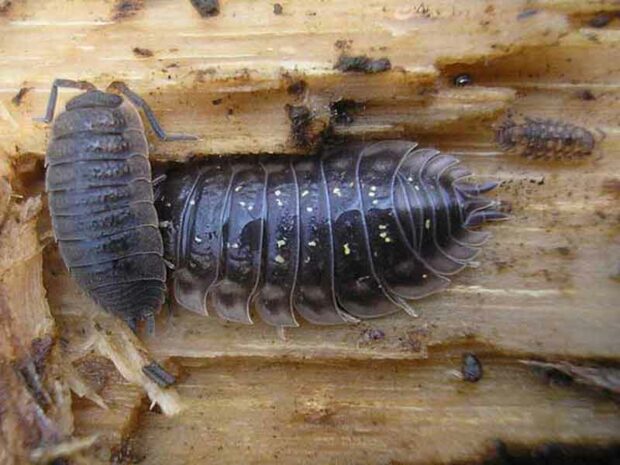
The Giant Isopod isn’t technically an insect. Believe it or not, it falls under the Crustacean class along with crab, shrimp, and lobster. That’s right kids, it’s aquatic. Like a giant sea roach.
Although rarely found on food menus in most of the world, it’s not uncommon in some Eastern Asian countries to find seaside restaurants serving boiled Giant Isopods.
Even though the Giant Isopod is a deep sea-dwelling creature, it might look strangely familiar to you. A close cousin of the Giant Isopod is the much smaller terrestrial Woodlouse (3-30 mm). But you might know the Woodlouse by one of its more common nicknames like pill bug or roly-poly. Woodlice are usually found in damp, dark places, rotting logs and typically eat decaying plant material.
Genetically, Woodlice and Giant Isopods have been unchanged for over 160 million years.
Tarantula Hawk
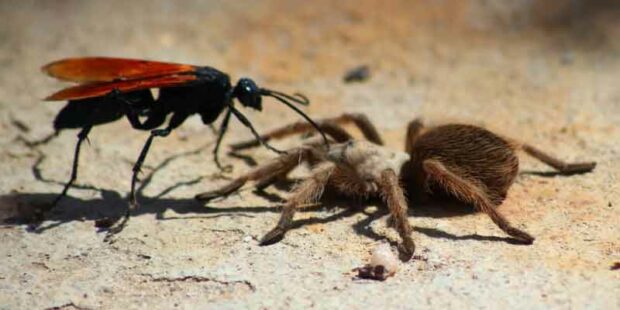
So far the flying insects on this list have been gentle moths and butterflies. That’s about to change right now with the vicious Tarantula Hawk. These giant wasps got their name after being observed hunting large tarantula spiders.
Besides having a giant 0.85 cm stinger, the Tarantula Hawk also has hooked feet that latch into their prey.
If you ever encounter a Tarantula Hawk, keep your distance and don’t aggravate it. They are famous for having one of the most painful insect stings in the world.
Goliath Beetle
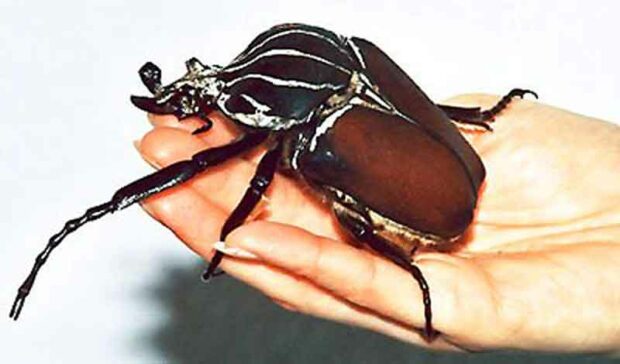
The Goliath Beetles are among the heaviest insects on Earth. These heavily armored insects are native to Africa and can weigh as much as 100 grams. They are so large that when flying, they produce a sound similar to a toy helicopter.
Goliath Beetles are scavengers and eat rotting fruit, vegetables and animal feces off the jungle floor. Yep, jungle poop. It’s what’s for dinner.
Titan Beetle
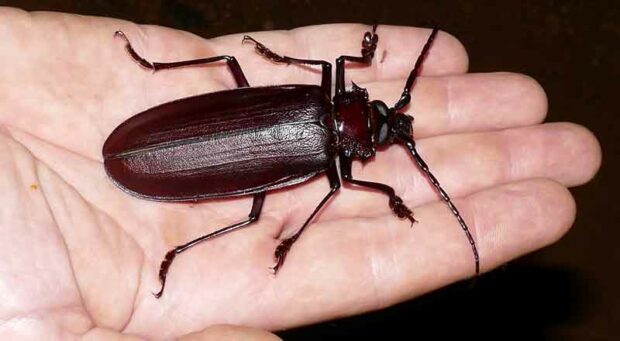
A smaller cousin of the Goliath Beetle, the Titan Beetle can grow up to 6.5 inches long. It is usually found in parts of French Guiana and Brazil.
Elephant Beetle / Rhinoceros Beetle
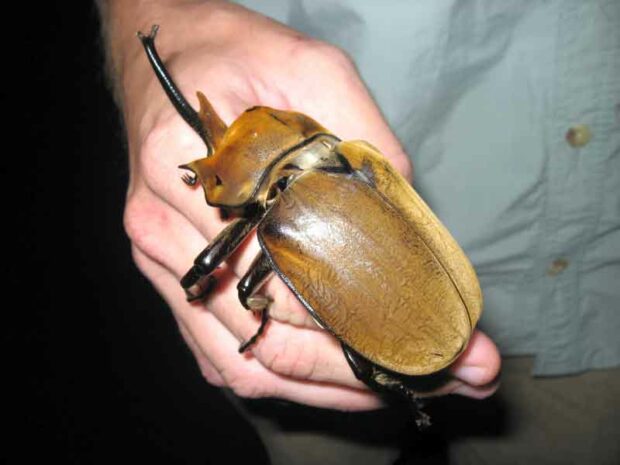
The Goliath and Titan aren’t the only enormous beetles on the planet. There’s also another giant beetle that no one can decide a definitive name for. The Elephant Beetle that’s found throughout Venezuela and in parts of Mexico, is also known as the Rhinoceros Beetle. Not only is this beetle massive in size, but it’s also hairy. Elephant Beetles are covered with a thin coat of fine hairs giving it a yellowish color. Male Elephant Beetles can grow up to 5 inches long and sometimes even bigger. Just imagine accidentally stepping on this beetle on the way home one night. Yuck!
Giant Burrowing Cockroach
Now it’s time we discussed cockroaches. They are not a favorite in the insect family. Their ability to survive everything from pesticides to nuclear war makes them almost impossible to remove from certain areas. Well, say hello to the Australian Giant Burrowing Cockroach. This giant cockroach is also commonly called the Rhinoceros Cockroach and is the heaviest cockroach on Earth. They usually live for about 10 years and can grow as large as 3 inches long.
As much as you might hate cockroaches, the Giant Burrowing Cockroach does have a few things that might make you like it a little bit more. First off, this cockroach doesn’t have wings, so don’t expect it to flutter around you. It also mainly feeds on dead leaves. So hopefully it won’t try to find a home in yours. The Australians call this roach the “litterbug” because it does such a good job cleaning up the forest floor. Unlike most insects, this cockroach will actually care for its young for the first six months of their life.
Chinese Mantis
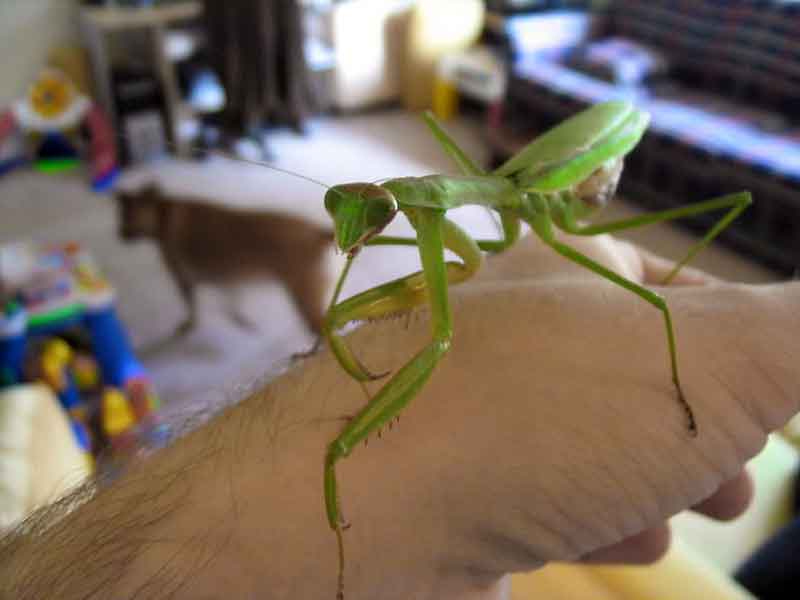
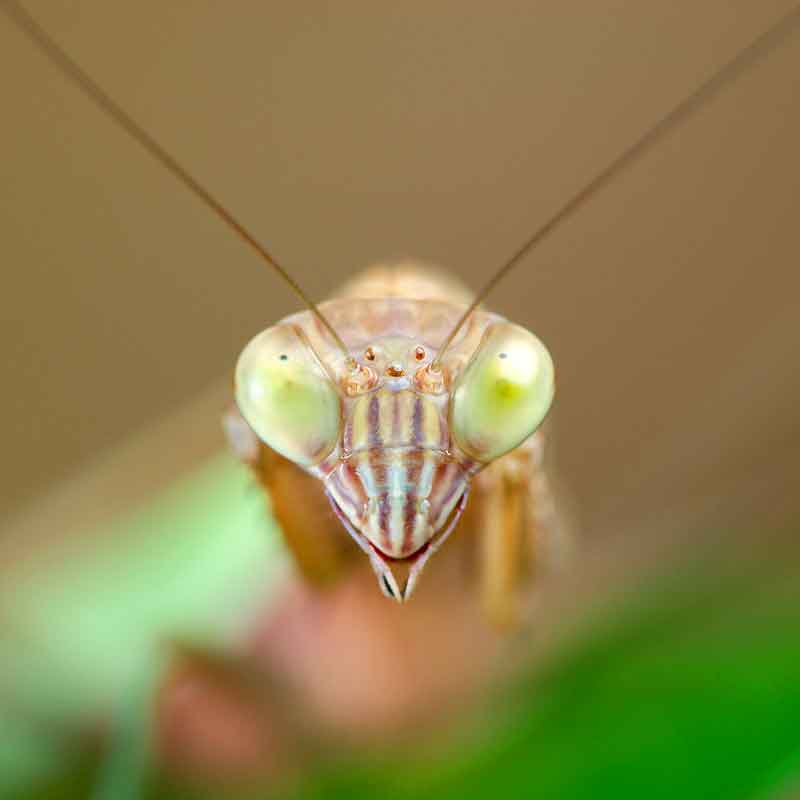
The Chinese Mantis is a large type of praying mantis that can grow as long as 4.5 inches. Depending on its environment, its color can vary between green and brown.
Normally a native to Asia, the Chinese Mantis was accidentally introduced to North America in 1896 near Philadelphia. In the decades since the introduction, the Chinese Mantis has slowly spread throughout the Eastern United States.
The Biggest Bugs In The World
What was the scariest insect on this list of the biggest bugs in the world? Hopefully, you never have to encounter some of these bugs, especially the ones that bite or sting.
Related Links:
- How To Survive A Goose Attack – With Your Dignity
- Unknown Insect Accidentally Discovered on eBay
- Doctors Remove A LIVE Cockroach from Woman’s Skull
- Gadgets to Help Keep Your Lawn Pest Free

Frank Wilson is a retired teacher with over 30 years of combined experience in the education, small business technology, and real estate business. He now blogs as a hobby and spends most days tinkering with old computers. Wilson is passionate about tech, enjoys fishing, and loves drinking beer.














 How A Fart Sound Effect Got Smart Beep’s “Blind Date” Super Bowl Commercial Banned

Leave a Reply